Table of Contents
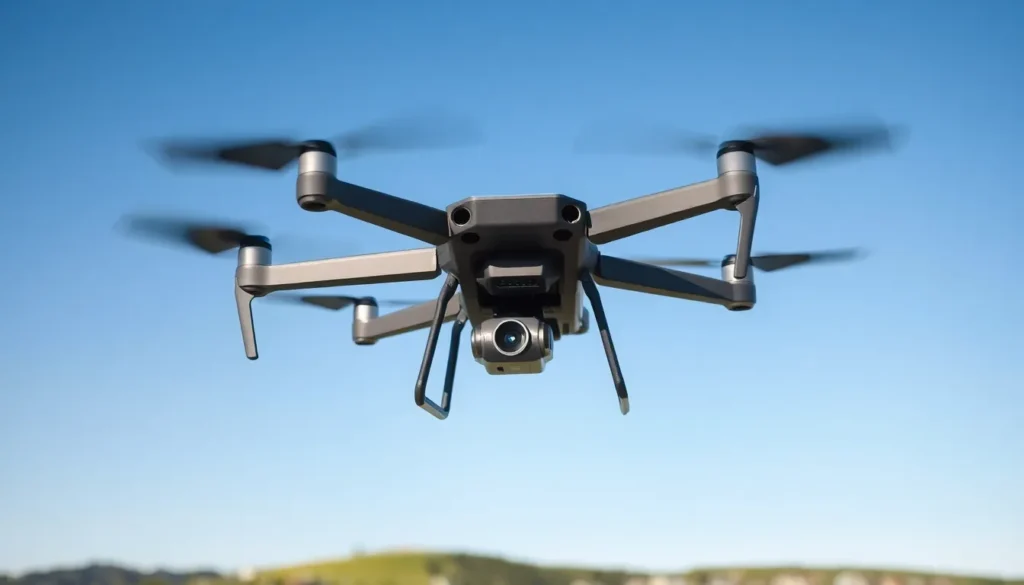
ToggleFinding the best drones in 2025 requires matching your skill level, budget, and intended use. The drone market has expanded significantly, offering options from affordable beginner models to cinema-grade professional units. Whether someone wants to capture family vacations, explore aerial photography as a hobby, or produce commercial content, there’s a drone that fits the bill.
This guide breaks down the top picks across three categories: beginner, mid-range, and professional. It also covers the essential features buyers should evaluate before making a purchase. By the end, readers will have a clear picture of which drones deliver the best value for their specific needs.
Key Takeaways
- The best drones in 2025 fall into three categories: beginner models under $300, mid-range options ($500–$1,200), and professional units starting at $2,000.
- Beginners should prioritize drones with GPS-assisted flight, automatic takeoff/landing, and obstacle avoidance for a forgiving learning experience.
- Mid-range drones like the DJI Air 3S offer 1-inch sensors and 40+ minute flight times, delivering professional-quality results for hobbyists.
- Sensor size matters more than resolution—a 1-inch sensor outperforms smaller sensors in low light and dynamic range.
- Drones under 249 grams, such as the DJI Mini 4K, don’t require FAA registration in the United States.
- Always match your drone choice to your skill level, budget, and intended use to get the best value.
Top Drones for Beginners
Beginners need drones that are easy to fly, forgiving of mistakes, and affordable enough that a crash won’t expensive. The best drones for new pilots include built-in safety features like obstacle avoidance, automatic return-to-home functions, and stable hover capabilities.
The DJI Mini 4K stands out as a top beginner choice in 2025. It weighs under 249 grams, which means no FAA registration is required in the United States. The 4K camera delivers sharp footage, and the intuitive controls make first flights stress-free. Battery life hovers around 31 minutes, giving new pilots plenty of time to practice.
Another solid option is the Holy Stone HS720G. Priced under $300, it offers GPS-assisted flight, a 4K camera, and a 26-minute flight time. The foldable design makes it portable, and the included carrying case adds convenience.
For those on a tighter budget, the Potensic Atom SE provides excellent value. It costs around $200 and includes a 4K camera, 31-minute battery life, and a compact form factor. The app-controlled flight modes help beginners capture cinematic shots without advanced piloting skills.
Beginners should prioritize drones with these features:
- Automatic takeoff and landing
- GPS-assisted flight
- Low-speed training modes
- Propeller guards included
These best drones for entry-level users balance affordability with enough features to grow into as skills improve.
Best Mid-Range Drones for Hobbyists
Hobbyists who have mastered the basics want more camera quality, longer range, and advanced flight modes. Mid-range drones typically fall between $500 and $1,200 and offer significant upgrades over beginner models.
The DJI Air 3S dominates this category. It features dual cameras, a wide-angle and a 3x telephoto, allowing versatile shot composition. The 1-inch CMOS sensor captures stunning detail, and the 46-minute flight time is among the best in its class. Omnidirectional obstacle sensing keeps the drone safe during complex maneuvers.
The Autel EVO Lite+ competes closely with DJI offerings. Its 1-inch sensor performs exceptionally well in low light, making it ideal for golden hour and dusk photography. The 40-minute flight time and 7.4-mile transmission range give hobbyists freedom to explore larger areas.
For those interested in FPV (first-person view) flying, the DJI Avata 2 delivers an immersive experience. The motion controller makes flying intuitive, and the built-in propeller guards allow indoor flying. The 4K/60fps camera captures smooth action footage that’s perfect for dynamic content.
Mid-range best drones share several characteristics:
- Higher resolution sensors (1-inch or larger)
- Extended transmission ranges (6+ miles)
- Advanced tracking and follow modes
- RAW photo capture for post-processing flexibility
Hobbyists at this level often shoot content for social media, travel vlogs, or local real estate clients. These drones provide professional-looking results without the professional price tag.
Professional-Grade Drones for Serious Creators
Professional creators need drones that deliver broadcast-quality footage, offer maximum reliability, and integrate with existing production workflows. These units start around $2,000 and can exceed $10,000 for cinema-ready setups.
The DJI Mavic 3 Pro serves as the workhorse for many professional photographers and videographers. Its triple-camera system includes a Hasselblad main camera with a 4/3 CMOS sensor. It shoots 5.1K video and captures 20MP stills with exceptional dynamic range. The 43-minute flight time and 9.3-mile transmission range handle demanding shoot schedules.
For filmmakers requiring even higher quality, the DJI Inspire 3 delivers cinema-grade performance. The Zenmuse X9-8K Air gimbal camera shoots 8K RAW video with a full-frame sensor. The dual-operator control system allows one person to fly while another controls the camera. This setup is standard on commercial film sets and high-end productions.
The Sony Airpeak S1 appeals to creators already invested in Sony’s camera ecosystem. It accepts full-frame Alpha cameras, giving users complete control over their imaging pipeline. The drone’s stability in wind and precise positioning make it suitable for demanding professional applications.
Professional best drones offer features that justify their premium prices:
- ProRes and RAW video recording
- Interchangeable lens systems
- Redundant flight systems for safety
- Enterprise-level customer support
These drones generate revenue for their owners. Wedding videographers, real estate marketers, and documentary filmmakers rely on them daily.
Key Features to Consider When Buying a Drone
Selecting the best drones requires evaluating several factors beyond just price. Here’s what matters most:
Camera Quality
Resolution tells only part of the story. Sensor size determines low-light performance and dynamic range. A 1-inch sensor outperforms a 1/2.3-inch sensor in most conditions, even at the same resolution. Look for drones that shoot at least 4K/30fps for future-proof footage.
Flight Time
Manufacturers list maximum flight times under ideal conditions. Real-world performance typically falls 15-20% shorter. A drone advertised at 30 minutes might deliver 24-25 minutes with normal flying. Consider purchasing extra batteries for extended shooting sessions.
Range and Connectivity
Transmission range affects where and how users can fly. Urban environments with signal interference reduce effective range. Drones using OcuSync or similar proprietary systems maintain more stable connections than basic Wi-Fi transmission.
Portability
Foldable drones fit easily into backpacks for travel. Fixed-arm designs often provide better stability but sacrifice convenience. Weight also matters, drones under 249 grams avoid certain regulatory requirements.
Obstacle Avoidance
Sensors positioned on multiple sides of the drone prevent collisions. Omnidirectional sensing provides the most protection, while forward-only sensors leave blind spots. This feature proves especially valuable during automated flight modes.
Local Regulations
Flyers must understand their local drone laws. The FAA requires registration for drones weighing 250 grams or more. Many countries require pilot certification for commercial use. Always check current rules before flying.
The best drones balance these features against budget constraints. Buyers should prioritize the factors most relevant to their intended use.