Table of Contents
ToggleDrone tools make the difference between a frustrating flight and a successful mission. Whether someone flies for fun, photography, or professional surveys, the right equipment turns a basic drone into a reliable workhorse. This guide covers the essential drone tools every pilot should own, from hardware and software to maintenance gear and safety resources. New pilots and experienced operators alike will find practical recommendations to improve their flights and protect their investment.
Key Takeaways
- Essential drone tools include extra batteries, landing pads, hard-shell cases, and high-speed memory cards to extend flight time and protect equipment.
- Flight planning apps like Litchi and Pix4Dcapture unlock advanced features such as waypoint missions and automated survey flights.
- Airspace apps like B4UFLY and weather tools like UAV Forecast help pilots fly legally and avoid dangerous conditions.
- Regular maintenance with cleaning supplies, precision screwdrivers, and spare propellers prevents costly repairs and keeps drones flight-ready.
- Safety resources including pre-flight checklists, two-way radios, and drone insurance reduce risk and protect your investment.
Must-Have Hardware and Accessories
Every drone pilot needs a solid collection of hardware and accessories. These drone tools extend flight time, improve control, and protect equipment in the field.
Extra Batteries and Charging Solutions
Batteries run out faster than most pilots expect. A single battery offers 20-30 minutes of flight time on average. Serious pilots carry at least three batteries per session. Multi-battery charging hubs save time between flights and keep all batteries ready for action.
Power banks with high wattage output serve as backup charging stations during remote shoots. Some pilots also invest in car chargers for extended field work.
Landing Pads and Cases
A portable landing pad protects the drone from grass, sand, and debris during takeoff and landing. These pads fold into compact packages and cost under $30. They also provide a visual reference point for landing in challenging conditions.
Hard-shell cases and padded backpacks protect drones during transport. Quality cases feature custom foam inserts that hold the drone, controller, batteries, and accessories in place.
Controller Accessories
Sunshades for tablets and phones block glare and improve screen visibility. Neck straps reduce arm fatigue during long flights. Extended joysticks offer better precision for pilots who prefer more physical control.
Memory cards deserve attention too. Pilots should carry multiple high-speed SD cards with plenty of storage. A 64GB or 128GB card handles most sessions, but 4K video eats space quickly.
Software and Apps for Drone Operations
Software represents one of the most valuable categories of drone tools available today. The right apps improve flight planning, automate missions, and enhance footage.
Flight Planning Apps
DJI Fly and DJI GO 4 come standard with DJI drones and handle basic flight operations. But third-party apps unlock advanced features. Litchi offers waypoint missions, orbit modes, and follow-me functions across multiple drone models. Dronelink provides visual programming for complex automated flights.
Pix4Dcapture specializes in mapping and survey missions. It calculates optimal flight paths for complete area coverage and exports data for photogrammetry software.
Airspace and Weather Apps
Airspace awareness prevents legal trouble and keeps pilots safe. B4UFLY from the FAA shows controlled airspace, temporary flight restrictions, and nearby airports in the United States. AirMap provides similar information with additional features for commercial operators.
Weather apps matter more than many pilots realize. UAV Forecast combines wind speed, precipitation, GPS satellite visibility, and KP index data into a single drone-focused interface. Windy.com offers detailed wind pattern visualizations at various altitudes.
Post-Processing Software
Adobe Lightroom and Premiere Pro remain industry standards for photo and video editing. DaVinci Resolve offers professional-grade video editing at no cost. For mapping work, Pix4Dmapper and DroneDeploy turn aerial images into 3D models and orthomosaic maps.
These software drone tools transform raw footage into polished content and actionable data.
Maintenance and Repair Tools
Drones require regular maintenance to fly safely. A basic toolkit prevents small issues from becoming expensive repairs.
Cleaning Supplies
Compressed air removes dust from motors, vents, and camera gimbals. Microfiber cloths clean lenses without scratching. Isopropyl alcohol (90% or higher) handles stubborn grime on propellers and body panels.
Cleaning after every flight extends component life. Sand and dirt particles cause motor bearing wear over time.
Precision Tools
Small screwdriver sets with Phillips, flathead, and hex bits cover most drone fasteners. Plastic pry tools help open casings without damaging plastic clips. Tweezers assist with small component handling and debris removal.
A digital multimeter helps diagnose electrical issues in motors and wiring. Most pilots won’t need one often, but it proves invaluable when problems arise.
Spare Parts
Propellers break. Every pilot should keep at least two full sets of replacement props on hand. Propeller guards protect props and people during indoor flights or crowded events.
Landing gear replacements, gimbal dampeners, and motor caps round out a solid spare parts inventory. Ordering these drone tools before they’re needed avoids grounded aircraft and missed opportunities.
Some manufacturers sell repair kits that include the most commonly replaced components. These kits offer good value compared to buying parts individually.
Safety and Planning Resources
Smart pilots prioritize safety. The right resources and drone tools reduce risk and help operators stay legal.
Pre-Flight Checklists
Printed or digital checklists catch problems before takeoff. A good checklist covers battery charge levels, propeller condition, firmware updates, compass calibration, and airspace clearance. Many pilots create custom checklists for specific missions.
The FAA provides free pre-flight checklists for Part 107 operators. These cover legal requirements and basic safety checks.
Visual Observers and Communication
Two-way radios help pilots communicate with visual observers during complex operations. Even simple walkie-talkies improve coordination during flights beyond visual line of sight (within legal limits).
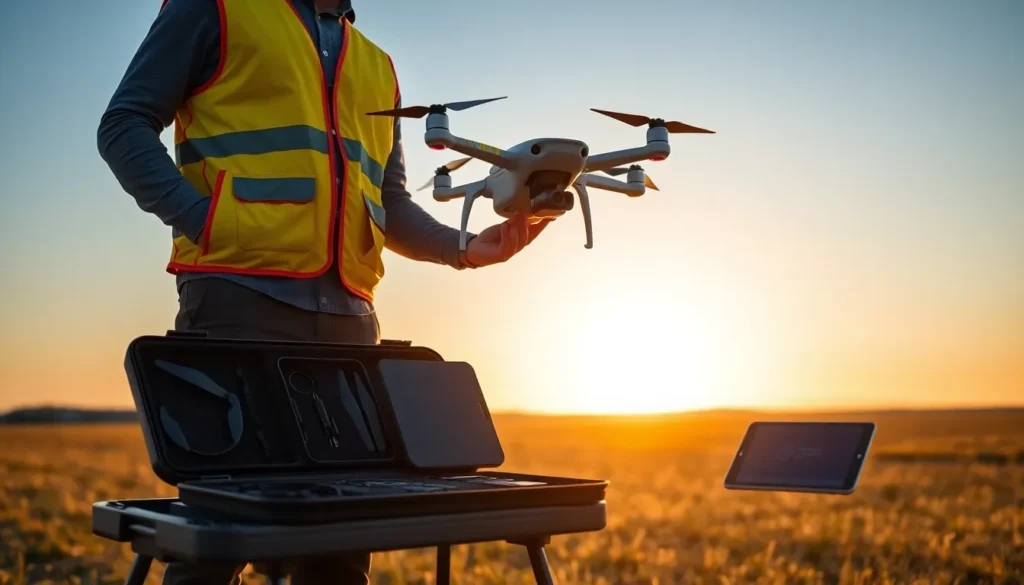
High-visibility vests identify drone operators to the public and emergency services. They cost little and add professionalism to commercial operations.
Documentation and Insurance
Pilots should carry proof of registration and certification during flights. A waterproof document holder protects paperwork in the field. Digital copies stored on phones provide backup.
Drone insurance protects against liability and equipment damage. Hull coverage replaces crashed drones. Liability coverage handles property damage and injury claims. Annual policies start around $500 for recreational pilots and scale up for commercial operations.
These safety-focused drone tools don’t generate exciting footage, but they prevent headaches and protect investments.